

Coverage Studies Myths Debunked
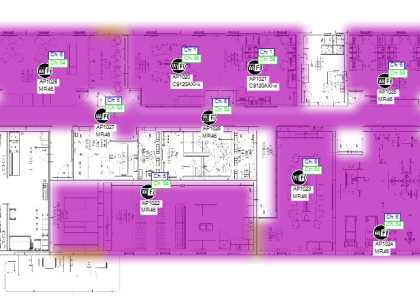
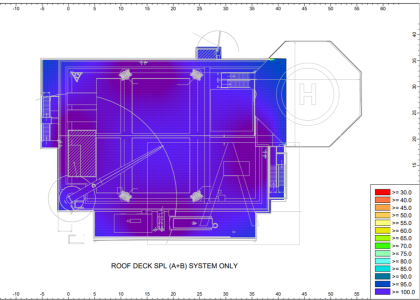
Coverage studies are often misunderstood in offshore and industrial projects. This blog debunks common myths and explains why early coverage planning is critical for safety, compliance, and cost control.
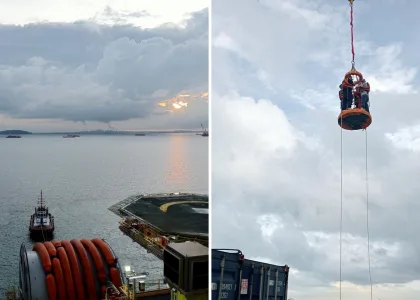
Safety offshore is a collective responsibility that requires rigorous training, proper equipment, regular maintenance, well-defined emergency plans, a strong safety culture, and adherence to regulations.
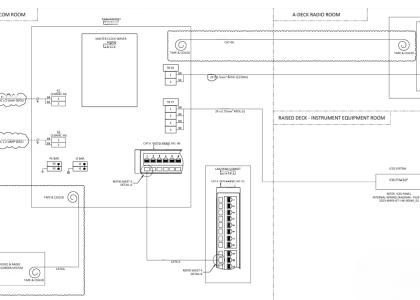
Installing a master clock system on an FPSO vessel is a critical task that enhances synchronization, efficiency, and safety.
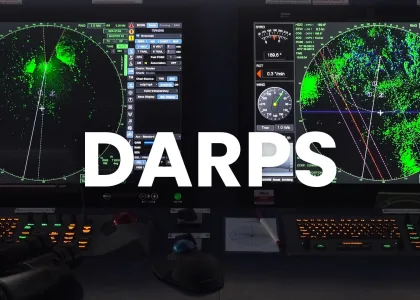
By combining the precision of DGPS with the reliability of radio positioning, DARPS offers unparalleled accuracy and safety for maritime vessels.
Our team specializes in delivering top-notch electrical, instrumentation, and telecom engineering drafts using AutoCAD, BIM, and comprehensive coverage studies.
Electrical short circuits are a common yet potentially devastating cause of fires.
Effective antenna placement ensures robust and reliable connectivity crucial for navigation, communication, and safety.
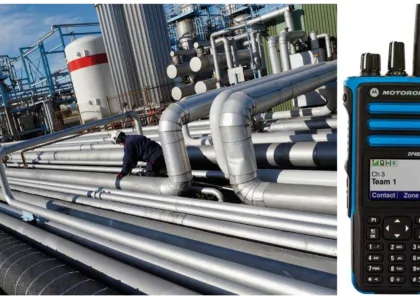
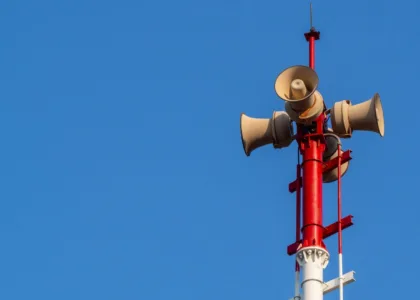
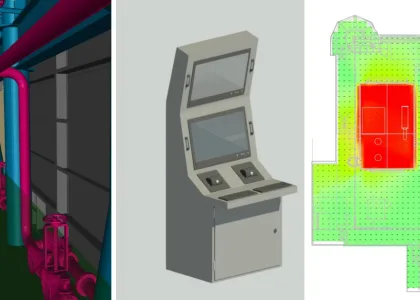
Enhanced safety, increased efficiency and cost savings are just a few of the benefits of conducting sound coverage studies for hazardous environments.
Radio surveys are indispensable for ensuring compliance with international maritime communication standards and maintaining operational readiness in offshore environments.
Navigation aids are indispensable for ensuring the safe and efficient operation of FPSO vessels in offshore environments
The Iridium terminal has the ability to bridge the gap between distant corners of the globe, providing reliable communication in the most challenging environments, underscores its significance in today’s interconnected world.